Source ROHS Table Top Plastic Faucet for Home, Hotel, Restaurant
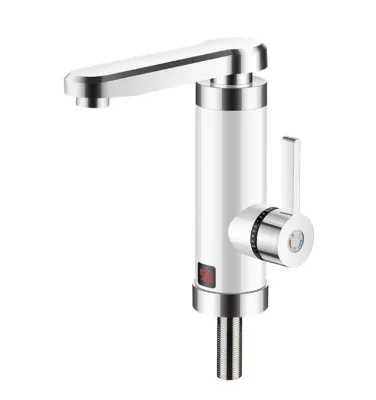
Compare 30 ROHS table top plastic faucet options featuring single-hole designs and hot/cold water capabilities. These units support table top installation and are suitable for home, hotel, and restaurant environments with various color choices; compare the available evidence and request quotations based on your requirements.
Key considerations
Products List




Comprehensive Sourcing Guide
ROHS Table Top Plastic Faucet Sourcing Guide
Sourcing ROHS-compliant table top plastic faucets requires a disciplined approach to material verification and regulatory alignment. Buyers must prioritize suppliers who explicitly list RoHS and GS certifications, as these indicate adherence to strict hazardous substance restrictions and general safety standards. The observed product landscape includes models like the T11 and E-1 safety variants, which often feature single-hole configurations and distinct color options such as red or blue. Understanding these baseline attributes helps in filtering suppliers who can meet specific aesthetic and functional requirements for residential or commercial installations.
Procurement teams should also evaluate the structural design and intended application of the faucet units. Many listed products are designed for table-top or desktop use, featuring single handles and hot-and-cold water capabilities. It is crucial to verify whether the plastic material, often polypropylene (PP) or general plastic, meets the durability expectations for the intended environment. Buyers should confirm if the faucet supports specific water temperatures, including cold, warm, and hot options, and ensure that the single-hole mounting style aligns with the existing sink or countertop infrastructure to avoid costly retrofitting issues.
Product Scope and Observed Listing Signals
The current market offers a diverse range of table top plastic faucets, with observed price points ranging from $0.14 to $90 USD and minimum order quantities (MOQs) spanning from 1 to 10,000 units. This wide variance suggests a mix of basic utility models and more specialized units, such as those with magnetization functions or specific pipe designs like self-cleaning features. Buyers should note that while some products are marketed with advanced features, the core material remains plastic, which influences both cost and longevity. Understanding this spectrum allows procurement teams to align their budget and volume requirements with the appropriate product tier.
Listing signals also reveal significant customization potential, with many suppliers offering tailored solutions for specific applications. Products are often packed in standard cartons, and origins are primarily traced to China, particularly Guangdong province. Buyers should pay attention to model numbers like B2, V61-70, and dechaab-1254, as these may correspond to distinct design iterations or functional capabilities. The presence of single-bowl sink styles and vessel basin types in the data suggests that these faucets are versatile enough for various bathroom or kitchen setups, provided the mounting configuration matches the buyer’s specific infrastructure needs.
Technical Specifications to Verify
When evaluating technical specifications, buyers must confirm the exact model number and standard type, such as T11 Type or D1 Type, to ensure compatibility with existing plumbing systems. The single-hole structure and single-handle operation are common features, but it is essential to verify the connection method, which may involve glue or melt techniques for certain plastic components. Additionally, the hardness of the tube, described as hard tube in some listings, should be assessed for durability against daily use. Buyers should also check if the faucet includes a descaling function, as many observed models lack this feature, which could impact maintenance requirements in areas with hard water.
Water temperature capabilities and purification efficacy are critical technical aspects that require careful verification. Some products support cold, warm, and hot water, while others may be limited to hot and cold options. It is important to determine if the faucet is designed for straight drinking water or if it requires additional filtration, as some models are not intended for direct consumption. The pipe design rate, such as self-cleaning mechanisms, can also influence long-term performance. Buyers should request detailed technical datasheets to confirm these specifications, ensuring that the selected faucet meets the functional demands of the end-user environment without unexpected limitations.
Compliance and Safety Documentation
Compliance with RoHS and GS certifications is a non-negotiable requirement for sourcing table top plastic faucets, ensuring that the products do not contain hazardous substances and meet general safety standards. Buyers must request valid certification documents from suppliers to verify that the plastic materials, such as PP, adhere to these regulations. The presence of CE and SGS certifications in some listings further indicates adherence to European and international safety and quality standards. However, buyers should treat these certifications as observations and actively verify their validity through independent testing or supplier audits to mitigate compliance risks.
In addition to material certifications, buyers should assess the overall safety documentation, including test reports for structural integrity and water leakage resistance. The E-1 safety model, for instance, suggests a focus on safety features, but the specific criteria for this classification should be clarified with the supplier. Buyers should also verify if the products meet local regulatory requirements in their target markets, as standards can vary significantly between regions. Ensuring that all compliance documentation is up-to-date and verifiable is crucial for avoiding customs delays, product recalls, or legal liabilities associated with non-compliant plumbing fixtures.
Cost Drivers and Commercial Terms
Cost drivers for table top plastic faucets include material quality, certification status, and customization options. The observed price range of $0.14 to $90 USD reflects variations in these factors, with higher prices typically associated with additional features like magnetization or specific color options. Buyers should analyze the cost structure to understand how much they are paying for basic functionality versus enhanced features. Minimum order quantities (MOQs) ranging from 1 to 10,000 units also impact pricing, with larger volumes often securing better unit costs. Understanding these dynamics helps in negotiating favorable terms and aligning procurement budgets with expected returns.
Commercial terms, including payment methods, shipping arrangements, and lead times, are critical components of the sourcing strategy. Buyers should clarify the packing details, such as standard carton packaging, and confirm the origin of the products, which is often Guangdong, China. It is essential to establish clear agreements on quality acceptance criteria and return policies to mitigate risks associated with defective units. Buyers should also consider the total landed cost, including duties and freight, when evaluating supplier quotes. Transparent communication regarding these commercial terms ensures a smooth procurement process and minimizes unexpected expenses.
Supplier Qualification and Quality Control
Supplier qualification is a vital step in sourcing table top plastic faucets, requiring a thorough assessment of manufacturing capabilities and quality control processes. Buyers should verify the supplier’s production capacity, especially if large MOQs are involved, and ensure that they have the infrastructure to maintain consistent quality across batches. The presence of certifications like RoHS and GS is a positive indicator, but buyers should also conduct on-site audits or request third-party inspection reports to validate these claims. Focusing on suppliers with a proven track record in producing plastic faucets reduces the risk of receiving substandard products.
Quality control measures should be integrated into the procurement process, including pre-shipment inspections and random sampling tests. Buyers should define clear acceptance criteria for visual defects, functional performance, and material composition. The single-hole and single-handle designs should be tested for ease of installation and operation, while the plastic material should be checked for durability and resistance to wear. Establishing a robust quality control framework ensures that the sourced faucets meet the specified standards and perform reliably in the field, protecting the buyer’s brand reputation and customer satisfaction.
Long-Term Procurement Checks
Long-term procurement checks involve monitoring supplier performance and product reliability over time. Buyers should establish key performance indicators (KPIs) to track metrics such as defect rates, delivery times, and responsiveness to issues. Regular reviews of these metrics help identify potential problems early and allow for corrective actions before they escalate. Additionally, buyers should stay informed about changes in regulatory standards, such as updates to RoHS or GS requirements, to ensure ongoing compliance. Proactive management of these factors supports a sustainable and resilient supply chain for table top plastic faucets.
Continuous improvement initiatives should be encouraged through regular feedback loops with suppliers. Buyers should share performance data and collaborate on solutions to enhance product quality and efficiency. Exploring opportunities for customization, such as specific colors or functional additions, can also add value to the procurement strategy. By maintaining open communication and fostering strong supplier relationships, buyers can secure a reliable source of high-quality faucets that meet their evolving needs. This long-term perspective ensures that the procurement process remains agile and responsive to market changes.
FAQs
What certifications do the rohs table top plastic faucets have?
The products hold RoHS, CE, and GS certifications as confirmed by the product specifications. These certifications ensure compliance with safety and environmental standards for the plastic material used in the table top style design.
Which water temperature options are available for these faucets?
The faucets support cold, warm, and hot water temperatures to meet diverse usage needs. This versatility makes them suitable for various applications including home, hotel, and restaurant environments where multiple temperature settings are required.
Can I request customization for the rohs table top plastic faucet?
Yes, customization is available for these specific plastic faucet models. Buyers can request tailored solutions while maintaining the core table top style and ensuring the product meets the required T11 or E-1 safety standards.
What is the standard packaging method for these plastic faucets?
The standard packaging method involves carton boxes for safe transport and storage. This ensures the single hole or single handle designs remain protected during shipping from the manufacturing origin in China to the destination.
How is the surface treatment applied to the rohs table top plastic faucet?
The surface treatment process includes polishing to achieve a smooth and refined finish. This enhances the aesthetic appeal of the plastic material while ensuring durability for use in sinks, basins, or desktop dispensers.
What is the origin location for these rohs table top plastic faucets?
The products originate from China, specifically from the Guangdong region. This location is a known hub for manufacturing plastic fixtures that meet international standards like RoHS and SGS for global distribution.